















Picture this: your driver calls from the side of I-40, engine overheating, load running late, and the nearest tow truck an hour away. The emergency repair bill that follows with after-hours rates, rushed parts, and lost revenue costs three times what a scheduled maintenance visit would have run. For fleets operating on “fix-when-it-breaks” maintenance, this isn’t an occasional nightmare. It’s an inevitable reality.
The good news? There’s a smarter way forward. At West Power Services, we help commercial fleets across Middle Tennessee stay on the road with preventive maintenance programs designed to catch problems before they become breakdowns.
What You’ll Learn in This Article:
- What preventive maintenance is and how it works for commercial trucks
- The hidden costs of “fix-when-it-breaks” commercial fleet maintenance
- How preventive maintenance saves commercial fleet owners money
- Warning signs your fleet is operating too reactively
- What a strong fleet preventive maintenance program includes
What Is Preventive Maintenance for Commercial Trucks?
Preventive maintenance is scheduled service performed before failures occur, catching and fixing issues at regular intervals to prevent costly breakdowns.
Common Preventive Maintenance Services
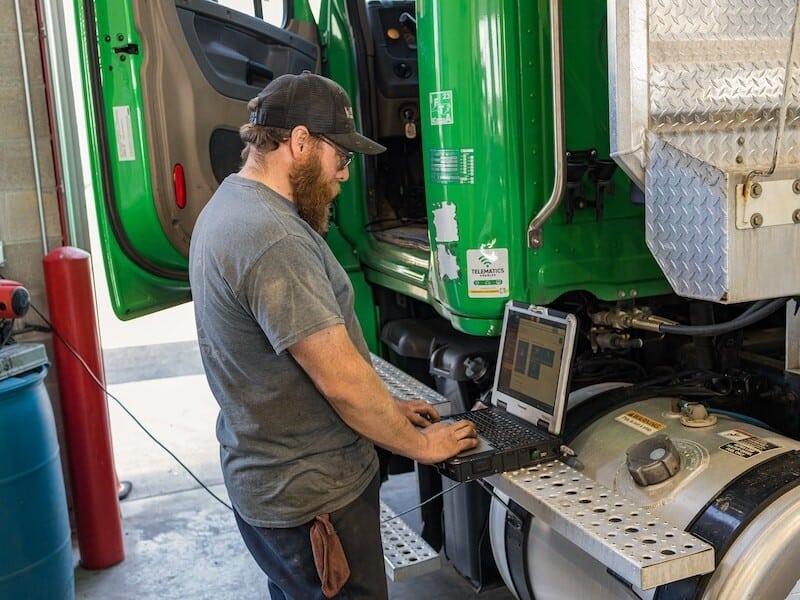
A comprehensive program includes oil and fluid changes, brake inspections, tire rotations, DOT inspections, battery testing, cooling system service, suspension checks, and diesel engine diagnostics to identify issues before they cause breakdowns.
At West Power Services, our experienced diesel technicians follow manufacturer recommendations and industry best practices to keep your fleet operating at peak performance. Learn more about our comprehensive fleet maintenance services designed specifically for commercial operations.
The Hidden Cost of “Fix-When-It-Breaks” Maintenance
Reactive maintenance waiting until equipment fails before servicing it may appear cost-effective in the short term. But the long-term consequences are significantly higher, both financially and operationally.
Expensive Emergency Repairs
When a truck breaks down on the road, the costs multiply quickly. After-hours service calls carry premium labor rates, often 50-100% higher than scheduled maintenance. Rush parts orders mean expedited shipping fees and premium pricing. Towing expenses can run hundreds of dollars. Add in driver overtime and hotel costs, and a single unplanned failure becomes far more expensive than most fleet managers anticipate.
According to the American Transportation Research Institute 2025 Analysis of the Operational Costs of Trucking, repair and maintenance remain a significant operating expense for commercial fleets. Emergency repairs often drive those costs even higher due to urgent service needs, premium pricing, and unplanned downtime.
Here’s the structured version:
Increased Fleet Downtime Unplanned breakdowns mean missed routes and delayed deliveries. While scheduled maintenance takes a few hours, unexpected breakdowns can sideline equipment for days.
More Severe Component Failures Small issues left unaddressed become large failures — a coolant leak becomes an engine overhaul, worn brake pads destroy rotors and drums.
How Preventive Maintenance Saves Fleet Owners Money
Lower Long-Term Repair Costs Regular inspections identify worn components while they’re still functioning, allowing replacements during planned windows rather than emergencies.
Improved Fuel Efficiency Clean filters, inflated tires, and well-maintained fuel systems can improve fuel economy by 3–5% annually.
Longer Equipment Lifespan Commercial trucks on consistent preventive schedules reliably serve fleets for 500,000 miles or more.
Better DOT Compliance Systematic maintenance ensures FMCSA compliance, helping trucks pass roadside inspections and avoid costly violations.
Reduced Unexpected Downtime You control when trucks are serviced, keeping them on the road generating revenue instead of sitting idle.
Preventive Maintenance vs Reactive Repairs: How They Compare
The differences between preventive and reactive maintenance strategies are stark:
| Factor | Fix-When-It-Breaks | Preventive Maintenance |
| Service timing | Unplanned repairs | Scheduled service |
| Repair costs | Expensive emergencies | Lower long-term costs |
| Downtime | Unexpected breakdowns | Reduced and predictable |
| Fuel economy | Reduced efficiency | Optimal performance |
| Safety | Higher risk of failures | Proactive issue resolution |
| Equipment lifespan | Accelerated wear | Extended useful life |
Warning Signs Your Fleet Is Operating Too Reactively
Ask yourself honestly, do any of these sound familiar?
- Drivers calling for roadside assistance more than twice yearly per truck
- Repair costs increasing year over year without fleet expansion
- Trucks exceeding recommended service intervals by 10,000+ miles
- The same equipment experiencing repeated breakdowns
- Specific trucks spending more time in the shop than on the road
If several resonate, a structured preventive maintenance program isn’t just recommended, it’s overdue.
What a Strong Fleet Preventive Maintenance Program Includes
Building an effective preventive maintenance program doesn’t require overhauling everything at once. Here’s a proven framework:
Regular Inspection Schedules
Establish mileage-based service intervals aligned with manufacturer recommendations. Factor in seasonal checks for cold-weather reliability and cooling system performance.
Digital Maintenance Tracking
At West Power Services, we use the Fullbay system to track your fleet’s service needs and satisfy DOT recordkeeping requirements.
Driver Reporting Procedures
Your drivers are your first line of defense. Establish clear procedures for reporting minor issues so problems are addressed during scheduled maintenance.
Partnering with a Trusted Repair Shop
The best preventive maintenance programs aren’t built on one-time repairs — they’re built on proactive partnerships that reduce downtime, extend vehicle life, and keep fleets operating efficiently. Industry experts consistently emphasize that routine preventive maintenance is one of the most effective ways to minimize breakdowns and control long-term operating costs.
According to Fleet Maintenance Magazine’s vehicle maintenance management report, regularly scheduled preventive maintenance helps fleets minimize downtime, reduce repair costs, and improve overall vehicle performance. Another Fleet Maintenance industry report on proactive maintenance strategies notes that preventive maintenance programs help reduce unexpected breakdowns while improving fleet reliability and operational efficiency.
At West Power Services, we understand that every day your trucks are down is money out of your pocket. That’s why we’ve built our entire operation around keeping commercial fleets moving.
Why Nashville Fleets Trust West Power Services
Founded in 2012, West Power Services has grown from one mechanic in a service truck to become the largest independent commercial truck repair business in the Nashville area, with over 200 years of combined diesel mechanic experience.
We serve all types of commercial vehicles:
Heavy Duty : From 18-wheelers to heavy-duty box trucks, our expert technicians provide diagnostics, repairs, and preventive maintenance for the most demanding vehicles on the road.
Medium Duty: We understand the critical role medium-duty trucks play in local businesses. Fast turnaround times minimize downtime and maximize productivity.
Light Duty: Whether you’re running a landscaping company or delivery fleet, we keep your light commercial vehicles reliable and road-ready.
Our Nashville and Goodlettsville locations serve all of Middle Tennessee. Our mobile service capability means we bring the shop to you, anytime, anywhere.
Conclusion: Preventive Maintenance Protects Your Investment
Smart fleet managers understand that preventive maintenance is an investment in operational reliability and long-term profitability. Every dollar spent on scheduled maintenance saves multiple dollars in emergency repairs and lost productivity.
Don’t wait for the next breakdown to force your hand. Partner with West Power Services and discover how the right maintenance strategy protects your fleet investment.
Frequently Asked Questions
Q: What is preventive maintenance for commercial trucks?
A: Scheduled service performed before failures occur, oil changes, brake inspections, tire rotations, battery testing, and diesel diagnostics at regular intervals.
Q: How much more expensive are emergency repairs?
A: After-hours labor runs 50–100% higher than scheduled service. Add towing, rushed parts, and lost revenue, and one breakdown costs three times a planned visit.
Q: How does preventive maintenance improve fuel efficiency?
A: Clean filters, properly inflated tires, and well-maintained fuel systems can improve fuel economy by 3 – 5% per vehicle annually.
Q: How long can a well-maintained commercial truck last?
A: 500,000 miles or more. Reactively operated trucks require major overhauls far sooner.
Q: How does preventive maintenance help with DOT compliance?
A: It keeps trucks aligned with FMCSA requirements, helping them pass roadside inspections and avoid costly violations.
Q: What signs indicate my fleet is too reactive?
A: Frequent roadside calls, rising repair costs, missed service intervals, and trucks spending more time in the shop than on the road.
📞 Ready to reduce downtime and extend equipment life? Contact us today to schedule preventive maintenance services.
Visit West Power Services – Goodlettsville and West Power Services – Nashville for professional diesel truck maintenance that keeps your fleet on the road and profitable.
www.westpowerservices.com


Subscribe to our FREE Newsletter