
















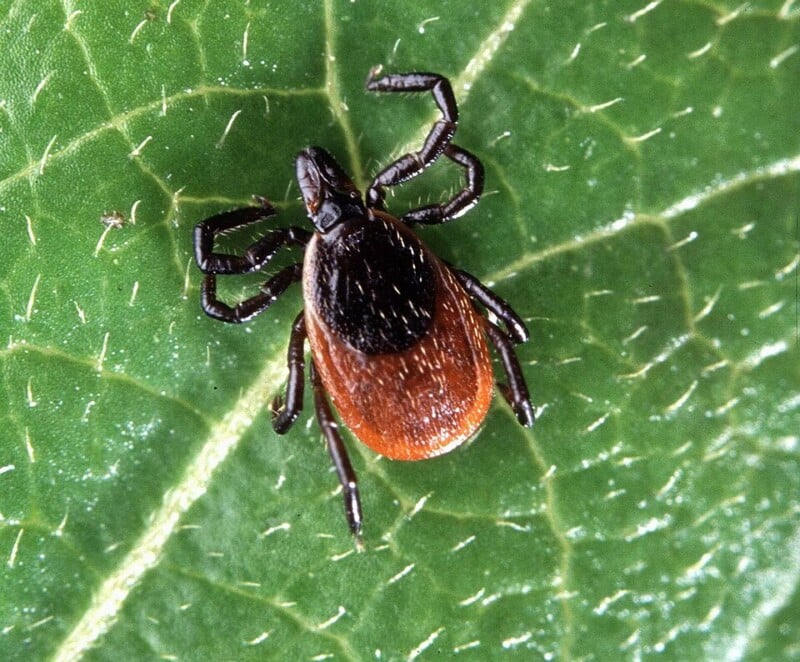
Tennessee is experiencing one of its worst tick seasons in recent memory, prompting Ascension Saint Thomas physicians to remind residents to take precautions before heading outdoors this summer.
The Centers for Disease Control and Prevention has reported a rise in emergency room visits related to tick bites, particularly during the warmer months when hiking, camping and outdoor gatherings become more common.
Ascension Saint Thomas recommends checking clothing, pets and exposed skin after spending time in wooded areas, parks or tall grass. If a tick is found attached to the skin, it should be removed as quickly as possible using fine-tipped tweezers by grasping the tick close to the skin and pulling straight upward with steady pressure.
Medical professionals advise against using methods such as petroleum jelly, nail polish or heat to remove ticks because those techniques can increase the chances of disease transmission.
Residents are encouraged to keep the tick in a sealed container or plastic bag with a damp paper towel if possible, as identifying the species can help healthcare providers if symptoms develop later.
“Many people think of a tick bite as a minor inconvenience, but it can lead to serious health complications if warning signs are overlooked,” said Dr. Brian Wilcox, chief clinical officer for Ascension Saint Thomas.
Beyond the irritation of a bite, ticks can carry illnesses that become serious if left untreated. Lyme disease remains the most recognized tick-borne illness, but Tennessee residents are also at risk for Rocky Mountain spotted fever, ehrlichiosis and other infections spread by ticks.
Health experts are also warning about alpha-gal syndrome, a condition linked to certain tick bites that can trigger allergic reactions to red meat and other products derived from mammals.
Anyone who develops a rash, fever, chills, fatigue, headaches or joint pain following a tick bite should contact a healthcare provider. Medical attention should also be sought if the bite area becomes increasingly swollen, warm or begins draining, or if part of the tick remains embedded in the skin.
Wilcox said recognizing symptoms early and seeking treatment quickly can help prevent more serious health complications.


Subscribe to our FREE Newsletter